
The Catholic University of America combines the resources of one of America’s oldest and most respected research universities with the human scale and personal approach of a classic liberal arts college.
At Catholic, you will be joining a global community of scholars, faculty, and students determined to discover, preserve, and impart truth in all its forms, with the particular joys and rewards that come from exploring and embracing intellect and virtue across the full scope of university life.
Our international presence draws from many sources, including our role as the only national university of the Catholic Church in America, a world-renown faculty, and our location — both in and of — one of the most dynamic and influential cities on the planet.
Explore how The Catholic University of America can help prepare you for a memorable and rewarding future.

Your Catholic University story starts here. Learn about the application process, schedule a visit, meet admission counselors, and apply.

Your Catholic University story starts here. Learn about the application process, schedule a visit, meet admission counselors, and apply.

A national research university in the heart of Washington, D.C., The Catholic University of America welcomes international scholars as important members of our warm and vibrant community.

The Metropolitan School of Professional Studies offers evening programs for adult students.

The Columbus School of Law is distinguished as a pioneer in clinical legal education, offering one of the nation’s broadest ranges of clinical experiences to students.

Our nationally ranked online programs in Social Work and Nursing are built with the flexibility and support needed to help you balance academics, work, and home life.
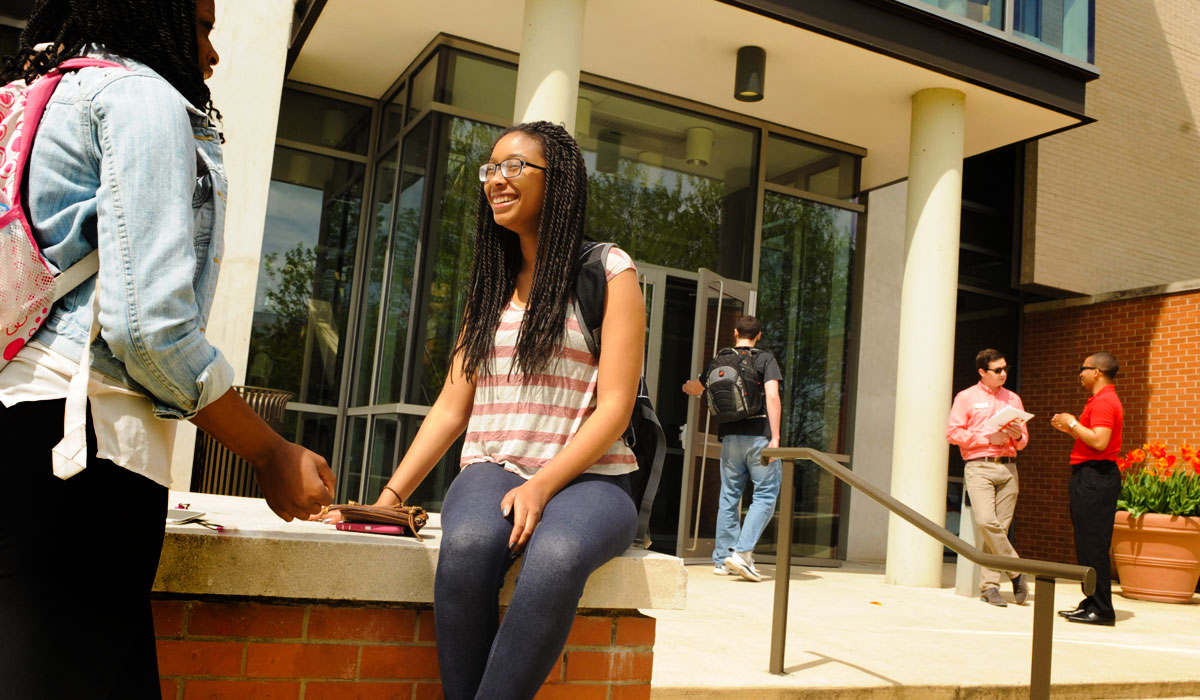
Current Catholic University students and visiting students — undergraduates to graduates — are invited to spend the summer in beautiful D.C., advancing your academic career.

At The Catholic University of America, we have a strong commitment to our military affiliated student population (defined as veterans, active duty servicemembers, ROTC cadets, and military dependents). We strive toward meeting our goal of being a premier location in higher education for veterans continuing their studies as well as for training and supporting the next generation of military officers and national security professionals.
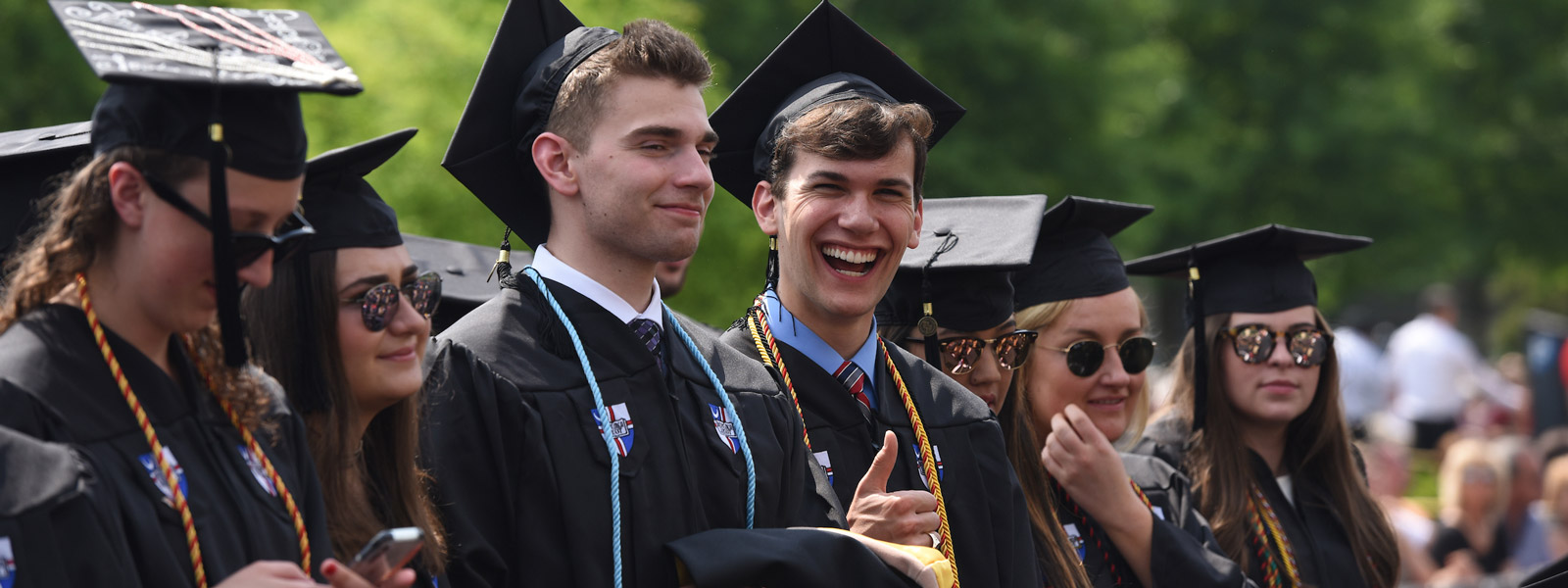
Information about applying for financial aid for undergraduate students and graduate students at The Catholic University of America.
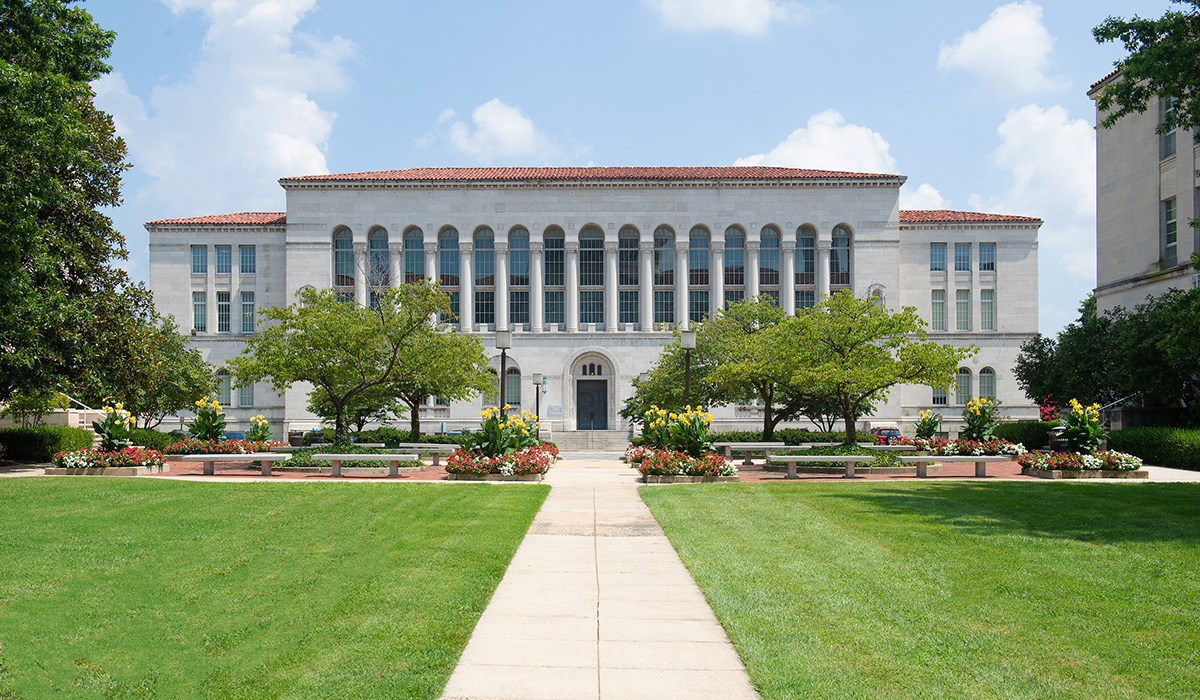
Innovative programs and a beautiful, green campus are just the beginning of Catholic University's national leadership, as reflected in an array of rankings, recognitions, and other honors.
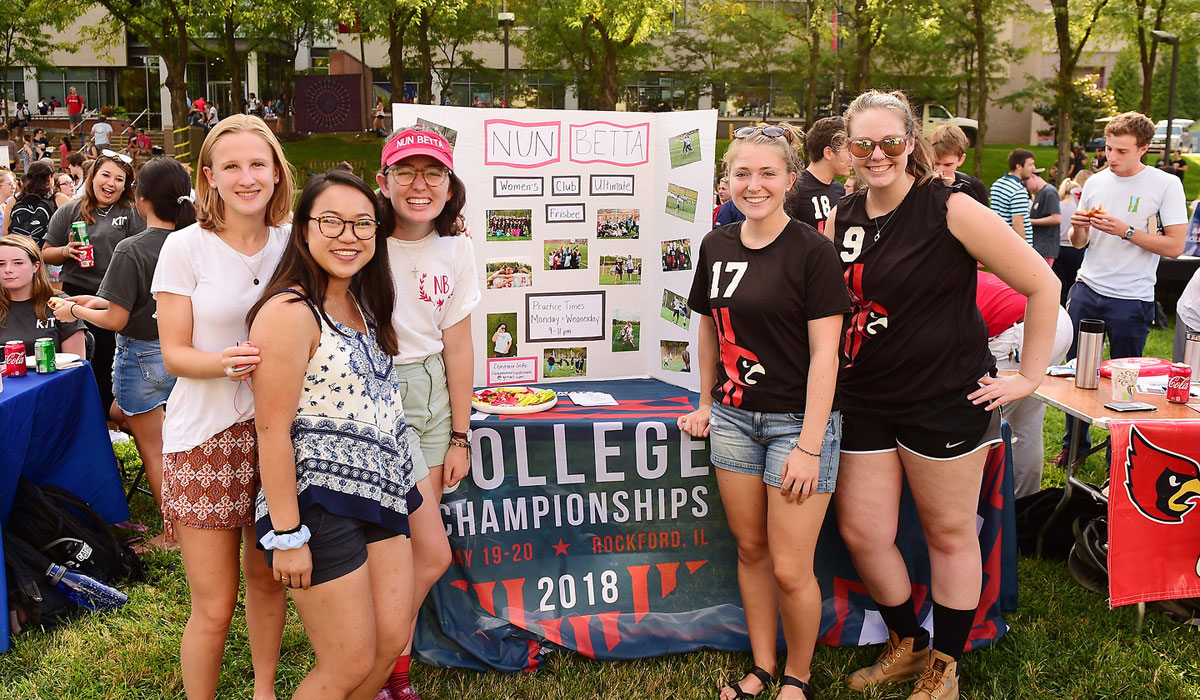
Build your day at CatholicU. Take our short quiz to write your story.